
Key Takeaways
- Contact lens and glasses prescriptions use different numbers because contacts rest on the eye and glasses sit in front of it.
- Contact prescriptions include extra measurements like base curve, diameter, brand, and material.
- Using the wrong prescription can lead to eye strain and discomfort.
- A contact lens fitting checks your vision, eye health, and lens fit.
- Contact prescriptions renew yearly, while glasses prescriptions last about 2 years.
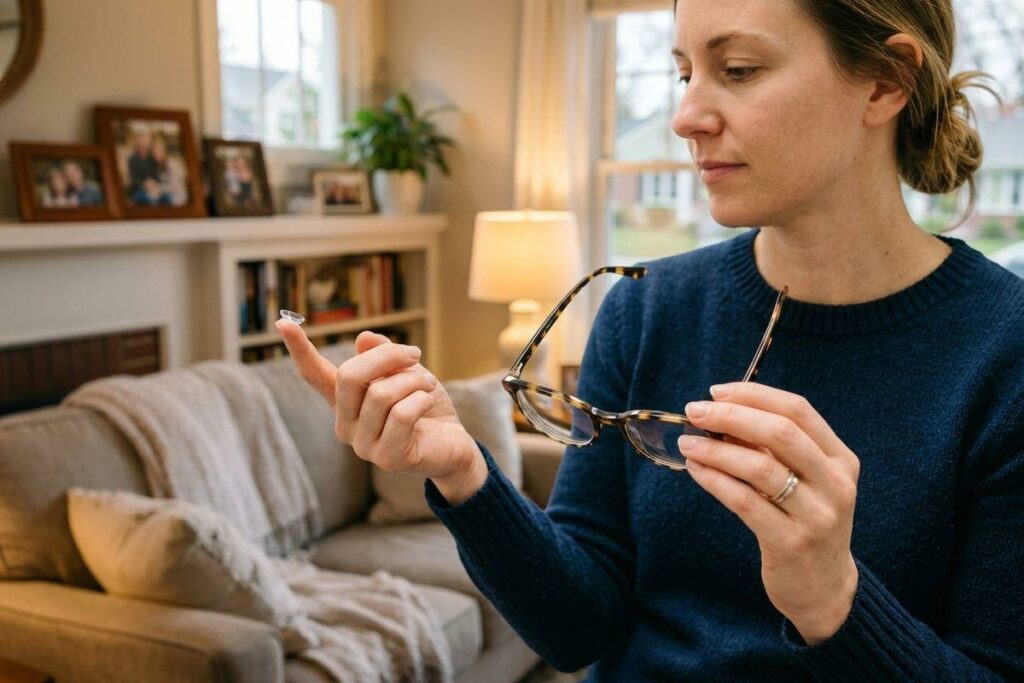
Many glasses wearers decide to try out contacts at some point, and wonder why they can’t just use the prescription they already have to order contact lenses online. At Vision One Boise, we understand that this is tempting, but it’s important to understand why a separate prescription is so important.
No, a contact lens prescription and a glasses prescription are not the same, because contacts rest directly on your eye while glasses sit in front of it, so each one needs different measurements. A contact lens fitting is an important step in getting contacts, as it adds a few measurements that a glasses prescription doesn’t include.
Why the Prescriptions Are Not the Same
You might assume the numbers for your glasses can carry straight over to your contacts, but this isn’t true. Glasses sit about 12 millimeters in front of your eyes while contacts rest right on the surface of the eye. That gap changes the lens power your eyes need to focus clearly. So even with the same eyes and the same vision, the 2 prescriptions call for different numbers.
What the Numbers on Your Prescription Mean
Shared Values on Both
There are a few measurements that may show up on both prescriptions. These can include:
- Sphere, which measures near or farsightedness.
- Cylinder and axis, which measure astigmatism.
- Add value, which helps with close-up focus.
Contacts-Specific Measurements
A contact lens prescription goes further because the lens has to sit comfortably on your eye. Because of this, a contact lens prescription includes:
- Base curve, which matches the curvature of your cornea (the clear outer layer of your eye).
- Diameter, which sets how wide the lens is.
- Brand and material, which affect the fit and comfort.
Why You Can’t Use Prescriptions Interchangeably
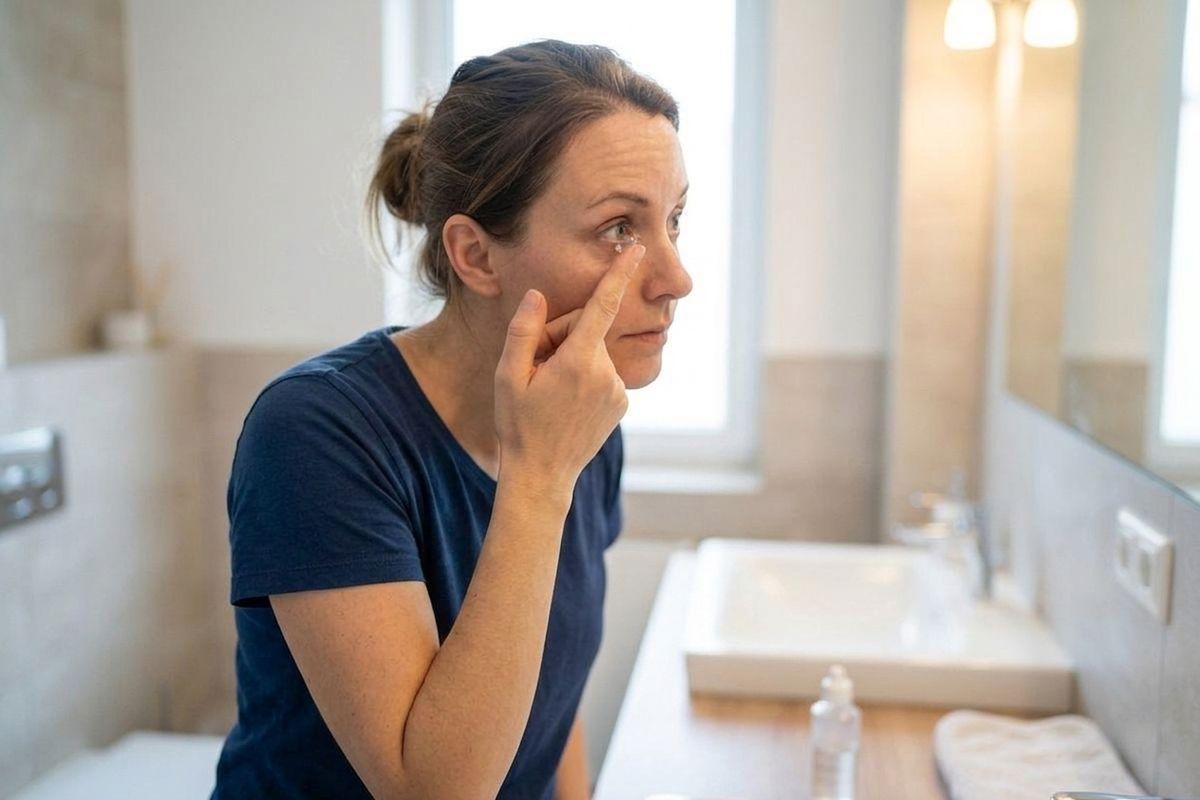
Swapping one prescription for the other sounds simple, but it can leave you uncomfortable.
Contacts need a proper fit measurement, since a lens that doesn’t match your eye can feel irritating. There are online calculators that claim to convert prescriptions, but they can’t collect the measurements that matter, such as base curve or diameter. On top of that, online converters also can’t check your eye health or confirm the lens sits the way it should.
How a Contact Lens Fitting Works
A contact lens fitting means that you get a prescription built for your eyes. When you visit an optometrist in Boise, the process moves through a few clear steps.
First, an eye exam checks both your vision and the overall health of your eyes. Next, the eye doctor measures the curve and diameter of your eyes so the lenses fit well. Then you try trial lenses to confirm comfort and clarity before your prescription is finalized.
How Long Each Prescription Stays Valid
Contact lens and glasses prescriptions have different expiry dates. Contact lens prescriptions usually need to be renewed every year because the lenses sit directly on your eye and need regular follow-up visits. Glasses prescriptions tend to last about 1 to 2 years. Either way, regular checkups keep your vision current and give the eye doctor a chance to catch small changes early.
Schedule Your Contact Lens Fitting
If you’re ready for contacts, glasses, or both, our team at Vision One Boise can measure your eyes and match you with lenses that fit your life. Schedule your appointment with an optometrist in Boise today and see the difference a proper prescription makes.