

Key Takeaways
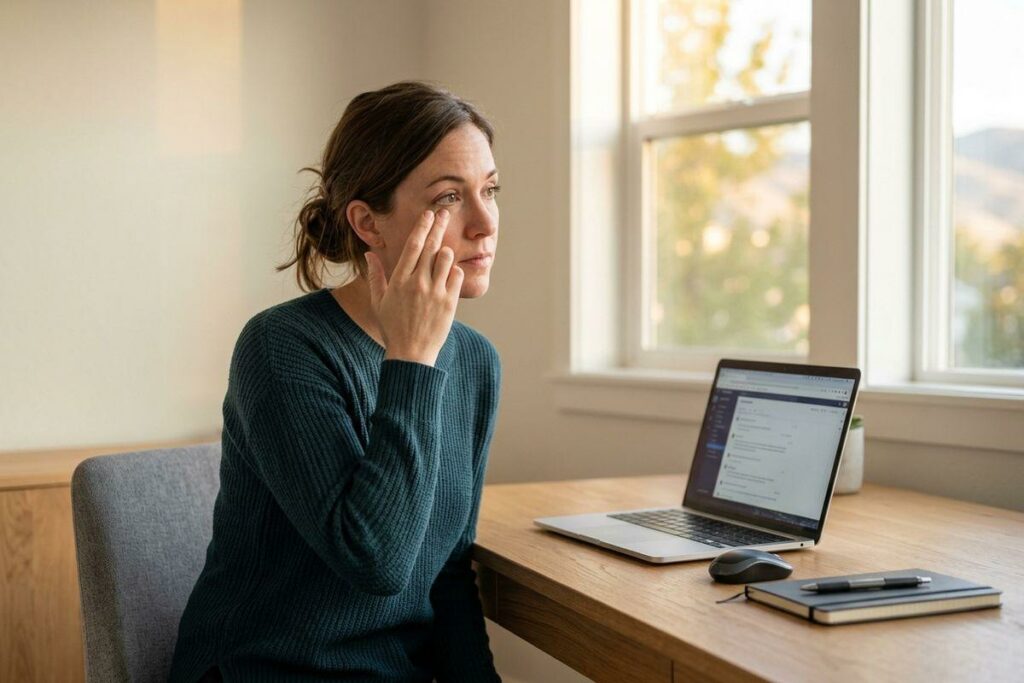
- Eye twitching is an involuntary flutter of the upper or lower lid, often called myokymia.
- Fatigue, stress, caffeine, and screen strain are common causes for the twitch.
- Rest, less caffeine, and the 20-20-20 rule can help calm a twitch at home.
- Twitching that spreads, comes with pain, or affects vision should be assessed by an eye doctor promptly.
Almost everyone has experienced an eyelid twitch at some point. That upper or lower eyelid fluttering can be hard to ignore, and at Vision One Boise, we’re here to help you understand what’s causing it and when you should see an eye doctor.
In many cases, eye twitching is a harmless flutter of your upper or lower lid that will go away on its own. It’s often caused by stress, so taking a few steps at home can help stop the twitching and get you back to your routine.
Common Causes of an Eye Twitch
A twitch often shows up when your body hasn’t had enough sleep. If you’ve had more late nights or early mornings recently, an eye twitch might be your body’s way of asking for some extra rest.
Stress plays a role too. Feeling anxious at work or school can contribute to involuntary eyelid spasms. Too much caffeine can also cause your eyelids to flutter. If you spend long hours on a screen, that may also be contributing, as staring at a monitor can leave your eyes dry and strained.
Why Only 1 Eye Twitches
You might notice the flutter on 1 side only, most often the upper lid. A 1-sided twitch is still often harmless and is commonly caused by brief, involuntary contractions of the eyelid muscles.
How to Stop Eye Twitching at Home
Because the most common causes of an eyelid twitch are everyday factors, there are a few steps you can take to help calm the twitching at home. Here are a few things to try:
- Aim for 7 to 9 hours of sleep.
- Reduce your caffeine intake.
- Limit stress where you can, or find ways to manage your stress.
- Follow the 20-20-20 rule: Every 20 minutes, look at something 20 feet away for 20 seconds.
Soothe Dryness and Irritation
Dry, irritated eyes can contribute to a twitch. If you have dry eye, preservative-free artificial tears can help improve moisture. A warm compress over closed eyelids can also bring comfort after a long day.
When a Twitch Could Signal Something More
Though most cases of an eyelid twitch will resolve on their own, there are a few rare situations to know about. If you experience any of the following symptoms, it’s a good idea to seek prompt eye care:
- Your lids close very forcefully, or both eyes spasm at once.
- The twitch spreads to your cheek or jaw.
- You notice pain, redness, a drooping lid, or any changes in your vision.
When to See an Optometrist in Boise
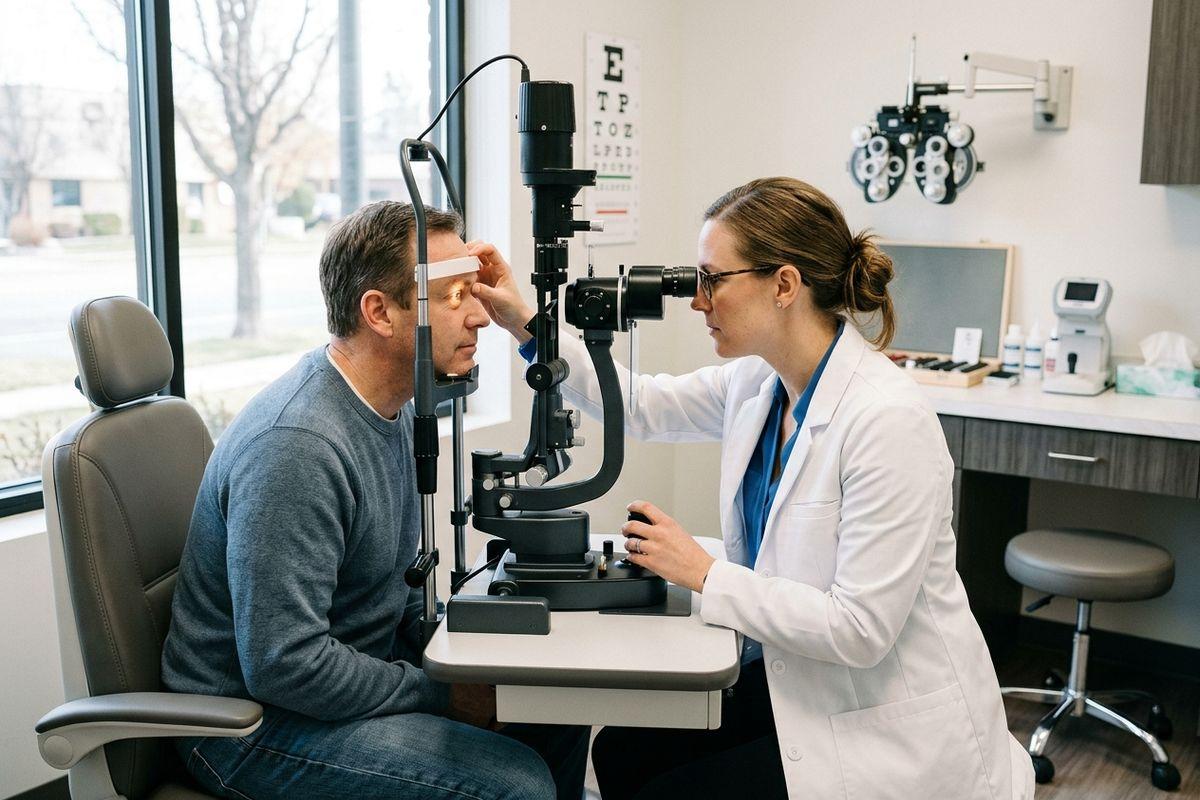
If you have a twitch that persists or worsens, talking with an optometrist in Boise can help you pinpoint the cause. Our team can discuss everyday factors that may contribute to a twitch, assess your vision for underlying issues, and recommend next steps.
That could include dry eye treatment, advice on daily habits, or even tips on managing digital eye strain.
Schedule Your Eye Exam
Our team at Vision One Boise offers personalized care for every member of your family. Schedule your appointment with an optometrist in Boise today, and give your eyes the attention they deserve.