


Key Takeaways
- Dry eyes happen when your eyes don’t make enough tears, or when your tears lack the quality needed to keep your eyes comfortable.
- Medications, hormone changes, health conditions, blocked eyelid oil glands, eye surgery, and age can all play a role.
- Simple home steps, like warm compresses and a humidifier, can help ease mild symptoms.
- An optometrist can find out what’s behind your dry eyes and recommend management options like OptiLight.
Dry Eye Can Have a Number of Causes
You wake up and your eyes feel gritty, like sand slipped under your lids overnight. By afternoon, the spreadsheet on your screen starts to look blurry, and you find that you’re blinking more than usual. As optometrists in Boise, our team at Vision One Boise often hears from adults experiencing sudden dry eye symptoms.
Dry eyes can appear suddenly because of a new medication, a hormone change, a health condition, blocked oil glands in your eyelids, recent eye surgery, or getting older. Finding the cause is the first step towards relief, so a visit with our dry eye care team can help you pinpoint what’s going on.
What Are Dry Eyes?
Dry eyes happen when your eyes don’t make enough tears or when your tears lack the quality to keep your eyes comfortable.
Your tears have 3 layers: mucus, water, and oil. A problem with any one of these or with your tear production in general can leave your eyes feeling itchy and dry.
Signs & Symptoms of Dry Eyes
Dry eyes can show up in ways that you might not expect. Common signs include:
- Your eyes feel burning, itchy, or scratchy.
- Your eyes look red.
- Your vision turns blurry.
- Bright light feels uncomfortable.
- Your eyes water.
- Stringy mucus collects around your eyes.
Conditions with Similar Signs
Some of these symptoms of dry eye overlap with the symptoms of other eye problems. Conditions with similar signs include:
- Allergies, which can cause itchy, irritated eyes.
- Eye infections, which may bring thicker or darker mucus.
- Watery eyes, which may point to a condition called ocular rosacea.
An eye exam can help sort out which condition you’re actually dealing with.
Common Causes of Dry Eyes
Sudden dryness often traces back to changes in your health or routine.
Medications & Allergies
Oral antihistamines for allergies can also lower your tear supply. Your risk of dry eye may also increase when you take several medications or supplements at once.
Hormone Changes & Health Conditions
Shifts in your hormones can also affect your eyes. Pregnancy, menopause, birth control, and hormone medications have all been linked to dry eyes.
Health conditions such as Sjögren’s syndrome, lupus, rheumatoid arthritis, thyroid problems, and other autoimmune conditions can play a role as well.
Eyelid Oil Glands, Eye Surgery, & Age
Small glands on the edges of your eyelids produce the oils that help your tears lubricate your eyes. If these glands become blocked or swollen, this can leave your eyes feeling dry.
Dryness is also common after LASIK, in which case it often eases within 12 months. Age matters too, since your eyes make fewer tears as you get older.
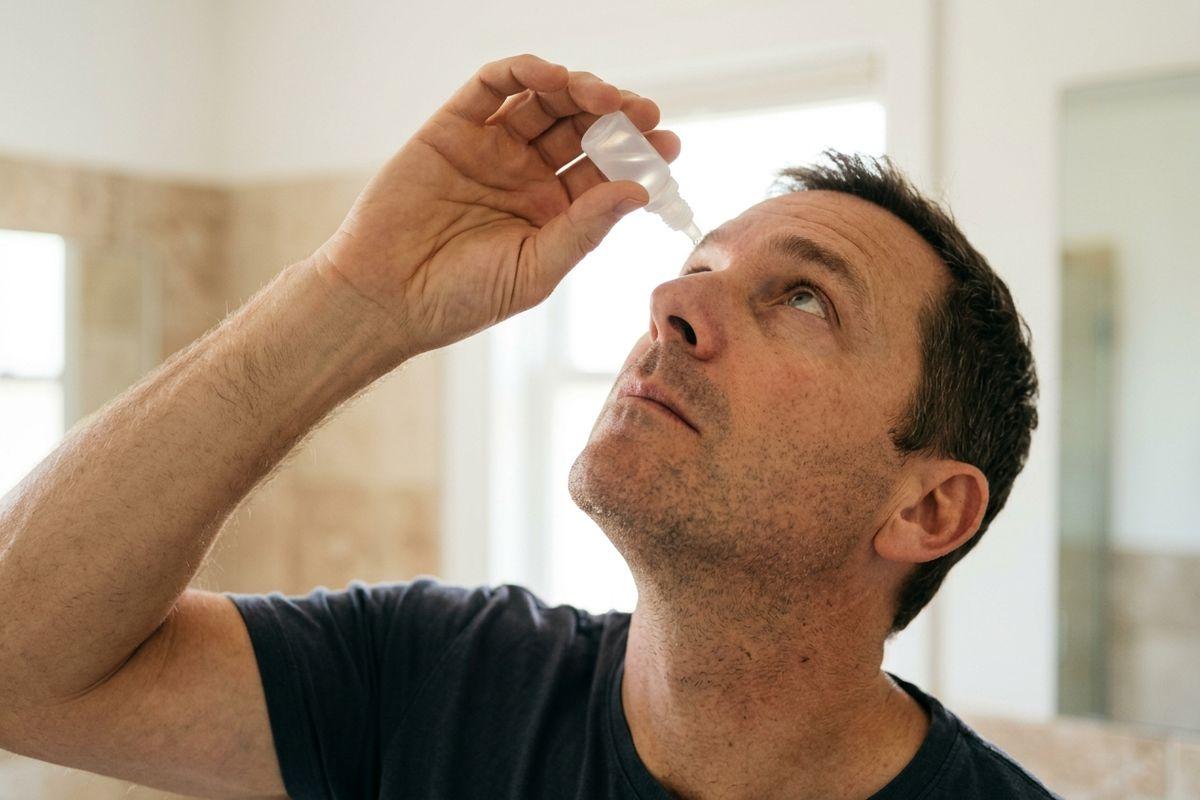
Simple Ways to Ease Dry Eyes at Home
A few small changes at home or at work can help your eyes feel more comfortable. Here are a few things you can try:
- Point fans and air vents away from your face.
- Run a humidifier in your bedroom or office.
- Rest a warm, clean washcloth over your closed eyes for a few minutes.
- Use artificial tears labeled safe for contact lenses.
When to See an Optometrist in Boise for Dry Eyes
Home care can help with mild dryness. However, some symptoms point to a need for a closer look.
Signs It’s Time for an Eye Exam
You should consider booking an appointment if you notice any of these signs:
- Your symptoms persist or worsen.
- Home steps aren’t bringing relief.
- You use artificial tears more than 4 times a day.
Signs You Need Urgent Eye Care
The following are all potential signs of a serious issue that may require emergency eye care:
- You feel sharp or severe eye pain.
- Your vision changes suddenly, or you lose vision.
- Mucus around your eyes that lingers, thickens, or darkens.
Visit your optometrist right away if any of these seem familiar.
Treatment Options for Dry Eyes
After your exam, your optometrist can recommend a management plan based on your symptoms. Common options include:
- Eye drops, gels, or ointments that can help add moisture.
- Eyelid hygiene and warm compresses to support healthy eyelids.
- In-office options, such as OptiLight intense pulsed light (IPL), to help manage ongoing dry eyes.
Find Dry Eye Relief at Vision One Boise
Sudden dry eyes can make reading a report, driving at dusk, and even wearing your contacts feel like work. Dr. Gregory Bodily, Dr. Jason Fronk, Dr. Christine Chong, and Dr. Gideon Bender all see adults and families across the Treasure Valley.
If you’re looking for an optometrist in Boise to help you with dry eye, book an eye exam at Vision One Boise. Our team can assess your symptoms and talk you through your next steps.