

Key Takeaways
- Natural eyelashes help protect your eyes from dust, debris, and moisture loss.
- False lashes and extensions can introduce bacteria, adhesive irritants, and physical stress near your eyes.
- People with sensitive skin, blepharitis, or a history of eye infections face a higher risk.
- Choosing certified technicians, requesting patch tests, and taking breaks between applications can reduce risk.
- Redness, swelling, discharge, or vision changes after wearing false lashes are signs to see an optometrist in Boise.
What Lash Products Do to the Area Around Your Eyes
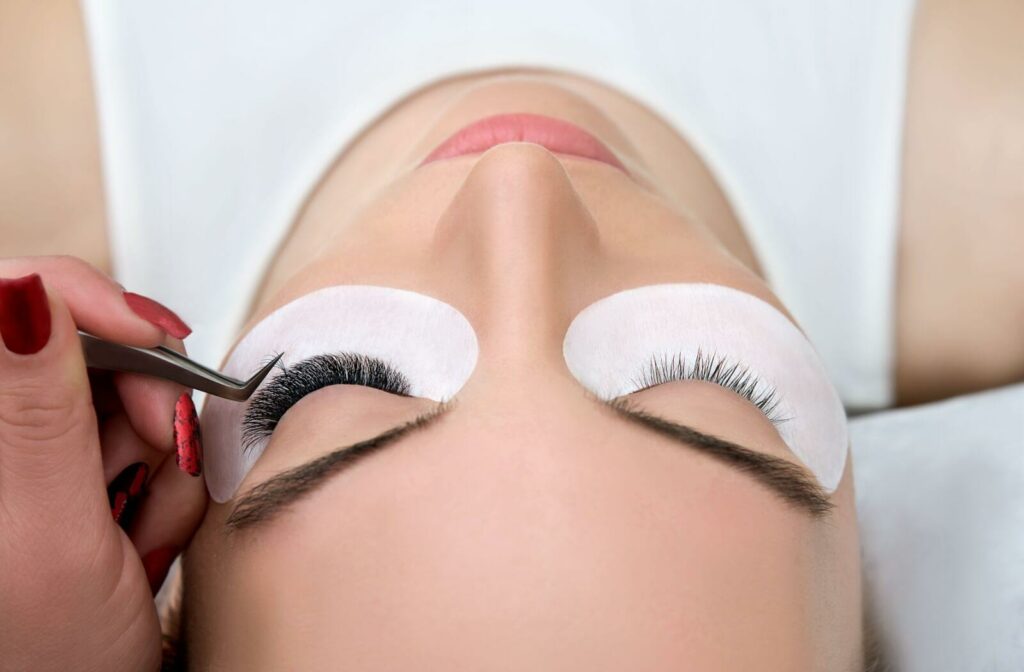
You’ve probably worn false lashes for a special event or considered extensions for a longer-term look. They’re popular, widely available, and for most people, harmless. But the area right around your eyes is one of the more sensitive parts of your body, and what comes into contact with it matters. At Vision One Boise, our team wants you to understand the risks of false lashes and how to protect your eyes if you use them.
False lashes and extensions aren’t automatically dangerous, but they do carry risks that may be easy to overlook. Knowing what those risks are and how to manage them helps you make a more informed choice about what goes near your eyes. If you have any questions or are experiencing discomfort, we can see you for a comprehensive eye exam.
What Your Natural Lashes Do for Your Eyes
Your natural lashes aren’t cosmetic. They act as a physical barrier, catching dust and debris before it reaches your eye surface. They also help reduce airflow directly onto the eye, which plays a role in keeping the tear film stable and your eyes from drying out.
When you add false lashes or extensions to that system, you’re introducing foreign materials, adhesives, and sometimes synthetic fibers right at the edge of your eyelid. Because they’re applied so close to the eyelid and eye surface, even minor irritation can lead to complications. If you already deal with dry eye symptoms, that disruption to the tear film can make things noticeably worse.
The Real Risks of False Lashes and Extensions
Eye Infections and Irritation
Glue and lash fibers can support bacterial buildup along the lash line. That buildup is difficult to clean thoroughly, especially with extensions in place. Over time, that bacteria can lead to styes, which are painful red bumps that form at the base of the lash, or conjunctivitis, which most people know as pink eye.
Allergic Reactions to Lash Glue
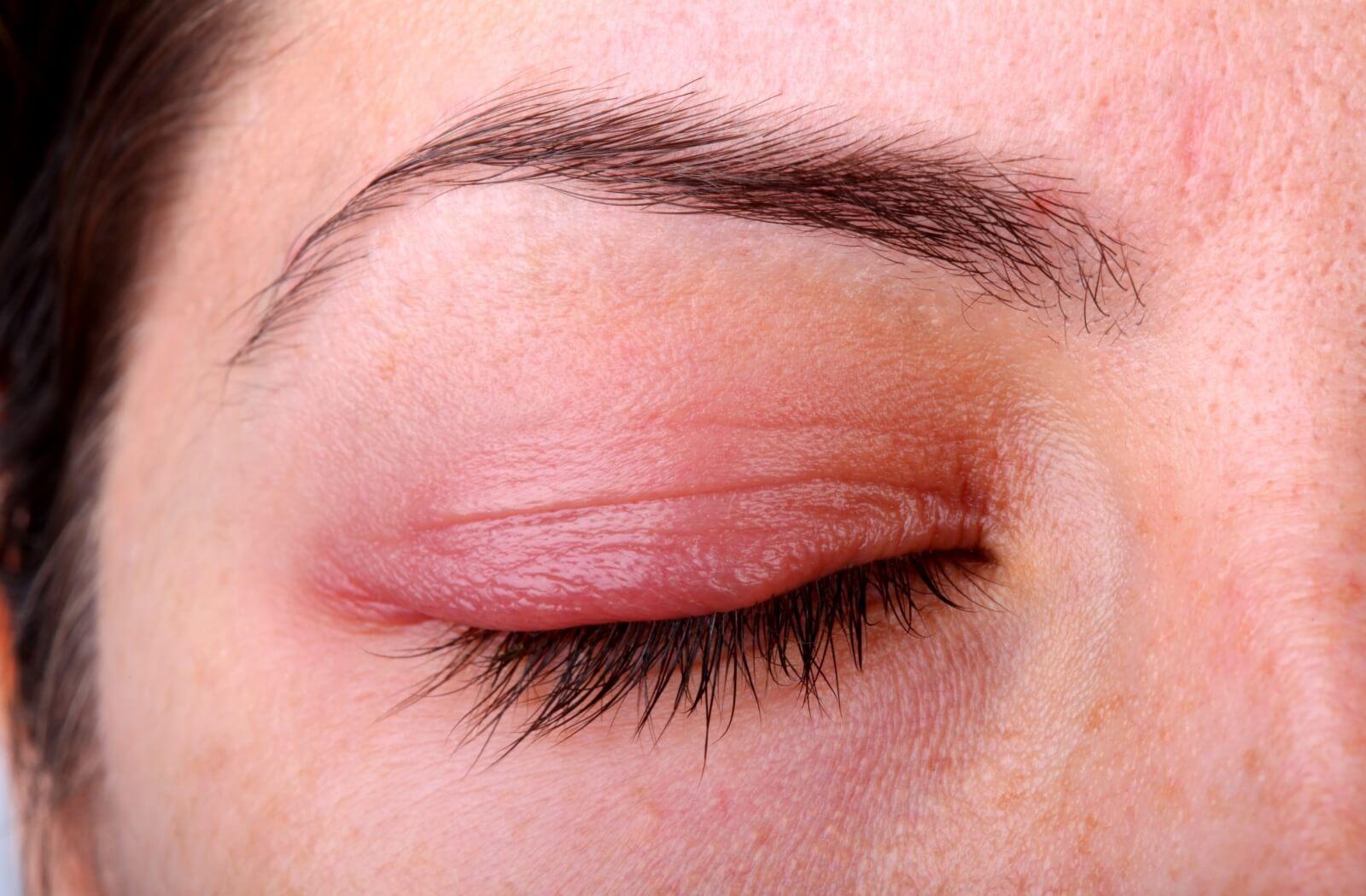
Some lash adhesives contain formaldehyde-releasing compounds and other chemical irritants. You don’t have to have a known allergy to react. Symptoms can include swelling around the eyelid, redness, itching, and in some cases, temporary blurred vision if the eye surface becomes inflamed. Reactions can show up hours after application, not just right away.
Damage to Your Natural Lashes
Extensions bond directly to your natural lashes. When they’re removed, especially if they’re pulled out rather than dissolved properly, the follicle can be damaged. Repeated applications over months or years may contribute to thinning or patchy lash loss along the eyelid.
Taking breaks between appointments gives your lash line time to recover, and a visit to your trusted eye care provider can help assess whether any damage has affected the eyelid margin itself.
Who Should Be Extra Cautious with False Lashes
Some people are at higher risk of a reaction or complication. If any of the following apply to you, it’s worth talking to an optometrist in Boise before using lash products regularly:
- You have a known skin or adhesive sensitivity, including reactions to bandages or cosmetic glues.
- You have an existing eyelid condition like blepharitis, which involves chronic inflammation along the lash line.
- You have a history of recurring eye infections or corneal issues.
These conditions don’t automatically mean you can’t wear false lashes, but they do mean your eyes may be at a higher risk of irritation. Adding more variables near the eye may require more care.
How to Reduce Risk if You Choose to Wear Them
Choosing the Right Salon and Products
Not all lash technicians have the same training. Look for someone who is certified and works in a clean, professional environment. Before a full set of extensions, ask for a patch test of the adhesive. A small amount applied to your inner arm before you commit to having it on your eyes can give you early information about how your skin responds.
Safe Habits at Home
Your lash technician should give you information about how to take care of your lashes post-appointment. Here are some general guidelines to follow:
- Never sleep in strip lashes or wear extensions past their recommended timeframe.
- Remove strip lashes gently with an oil-free remover, not by pulling or peeling from the outer corner.
- Take breaks between applications to let your natural lashes recover.
Proper eyelid hygiene matters. Keeping the lash line clean helps reduce bacterial buildup, especially when wearing extensions for extended periods.
Signs Your Eyes May Need Attention After False Lashes
Most mild irritation fades within a day of removing lashes. If discomfort persists, or if you experience any of the following, it may be time to see a professional:
- Redness, pain, discharge, or swelling around the eye.
- Unusual sensitivity to light.
- Changes in your vision, even minor blurring.
- Bald patches or noticeable lash loss along the eyelid.
These symptoms can point to an infection, an allergic reaction, or irritation of the eye surface that needs to be looked at before it progresses. If you’re unsure whether what you’re experiencing is urgent, we have a guide on when to seek eye care, which can help you decide on your next steps.
Book Your Appointment
False lashes can be worn safely by many people, but it’s important to understand the potential risks. If you have concerns about lash extensions or you’ve experienced irritation while wearing them, we’re here to help. At Vision One Boise, we offer thorough eye exams and personalized care for every member of your family. Schedule an appointment today.